


Osha Exams


<
►
>
The Occupational Safety and Health Act
Millions of people throughout the world work in environments that expose them to hazardous levels of noise. In the United States alone, approximately 9 million workers are exposed to sound levels of 85 decibels (dBA) or higher. In 1969, the federal government satisfied the need for noise control by developing regulations that became the Occupational Safety and Health Act (OSHA).
According to OSHA 29 CFR 1910.95, all companies that expose employees to 85 dBA noise levels or higher must provide a hearing conservation program (HPC) which includes: noise exposure monitoring, education and training, engineering and administrative noise controls, personal hearing protection, audiometric testing, audiogram review and referral.
EMPLOYERS: Dr. Scarlet M. Aviles is an audiologist trained in Occupational Audiology. She works with your company to ensure that you are OSHA compliant. She performs audiometric testing, audiogram review and monitoring, employee education and training and provides personal hearing protection. If you are an employer, please contact Dr. Aviles to discuss how she can help your employees protect their hearing.
EMPLOYEES: If you are an employee and are exposed to loud levels of noise, please check with your employer to see if you should be included in their hearing conservation program. If you are not sure how loud the noise levels are at your workplace, there are free sound check/sound level meter apps for all smartphones which allow you to estimate the level of noise in your environment. If you believe you’ve been exposed to dangerous noise levels and want a hearing assessment, call Dr. Scarlet Aviles to schedule a simple hearing assessment today.
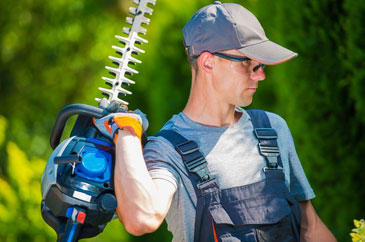
Some settings that expose employees to loud noise include: construction sites, shipyards, factory and warehouse jobs, heavy equipment operators, landscaping, airline, vehicle repair shops, musical environments, laundromats, highway work, print shops, HVAC maintenance, restaurants, bars and night clubs.
Hearing loss from loud noise exposure can be prevented if appropriate action is taken. Exposure to dangerous noise levels damages inner ear hair cells. Hearing loss associated with such exposure may occur immediately or several years after the exposure. Once you have hearing loss, it is permanent and cannot be reversed. Be proactive. Protect your ears and your hearing today so you will enjoy hearing tomorrow. For a reliable hearing evaluation, schedule your appointment with Dr. Scarlet M. Aviles.